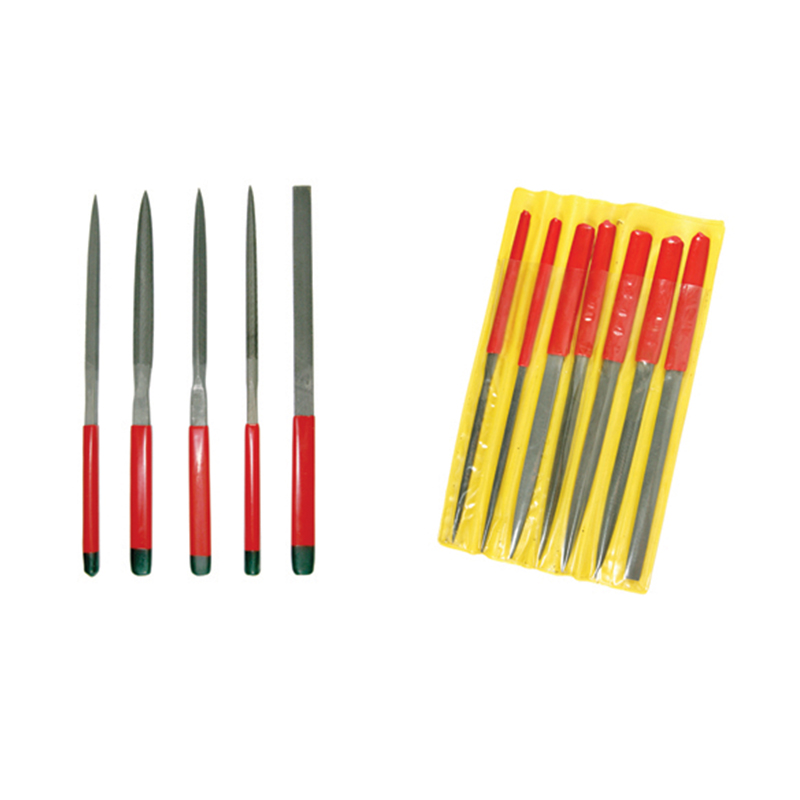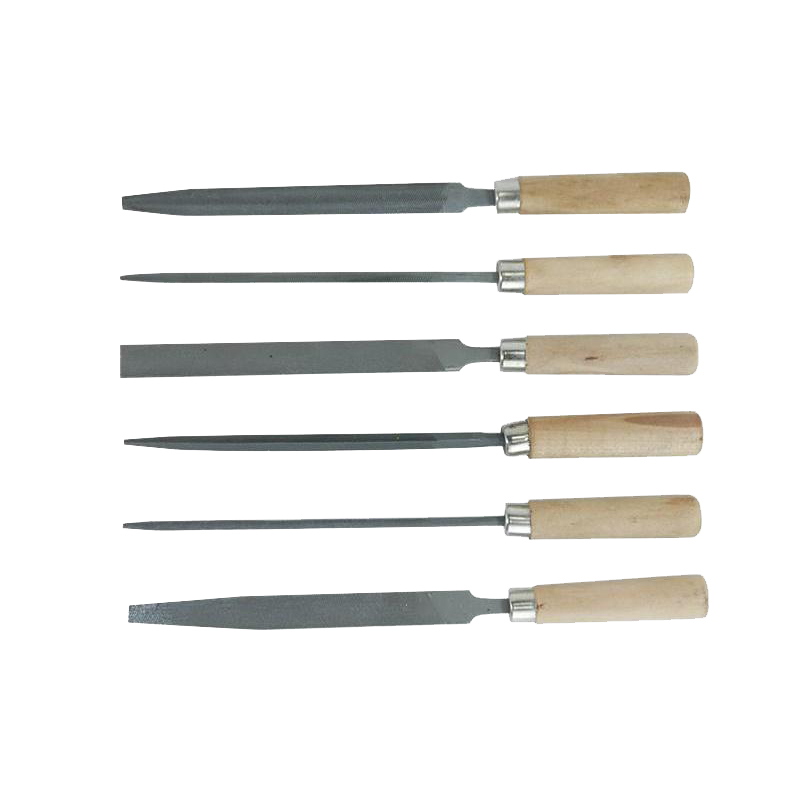
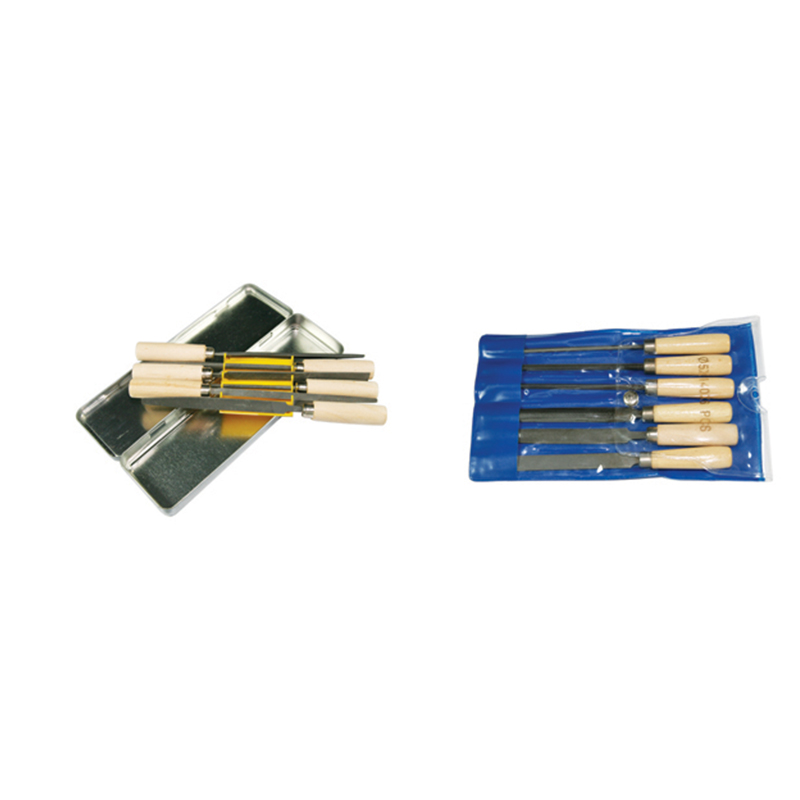
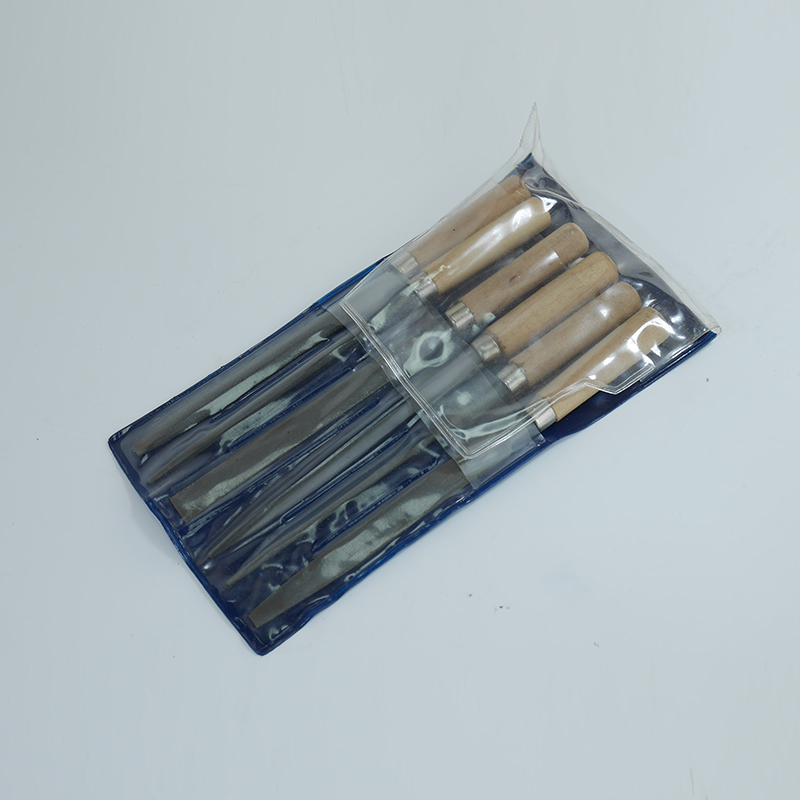
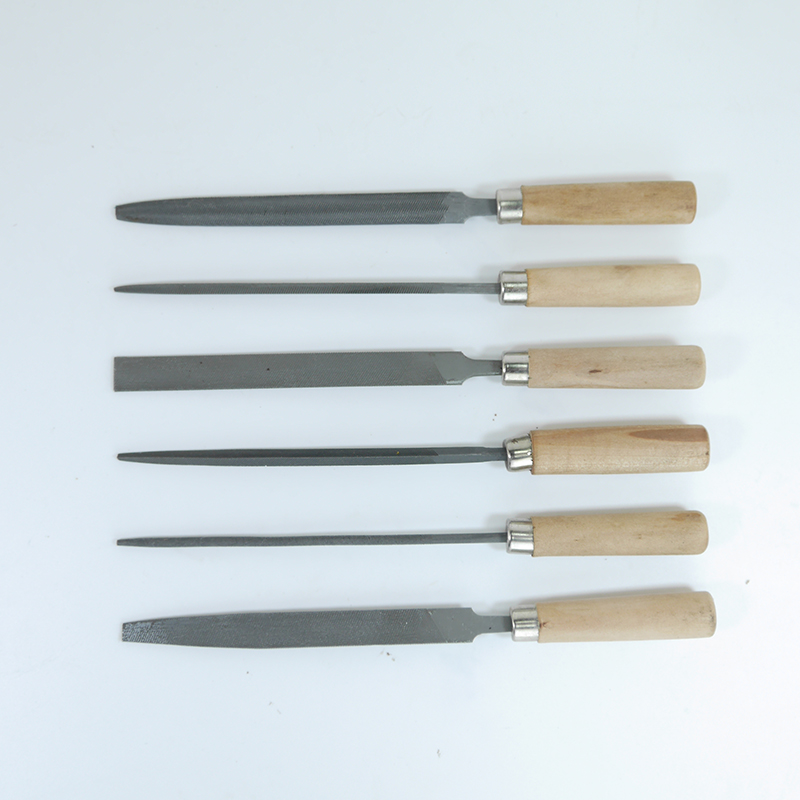
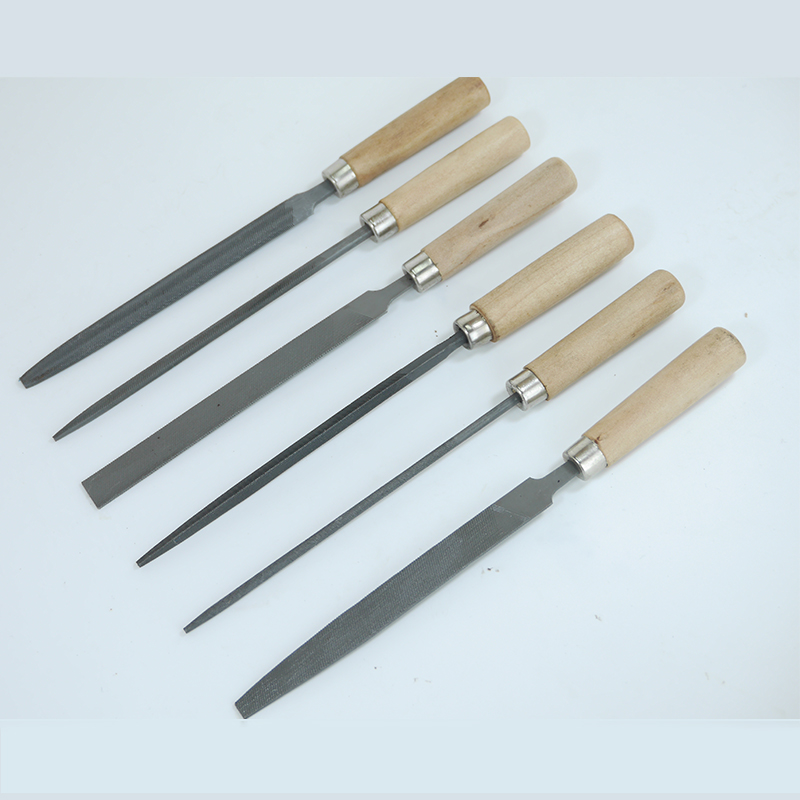
Introduction to Key Files (Needle Files / Precision Files) Key files are actually a type of small precision file (needle file) designed specifically for fine work on keys, locks, and other small components. They are also commonly used in precision tasks such as jewelry making and model crafting.
Main Applications
Key Cutting / Repair: Manually shaping key blanks, adjusting the height, angle, and spacing of teeth to ensure the key inserts smoothly and turns the lock cylinder.
Precision Finishing: Removing burrs, refining edges, and shaping irregular surfaces on small components like lock parts, jewelry, and models.
DIY Modifications: For example, modifying car flip keys by filing notches in the key blank to fit a new key fob shell.
Usage Notes
File in small, incremental passes to avoid removing too much material at once and ruining the tooth geometry.
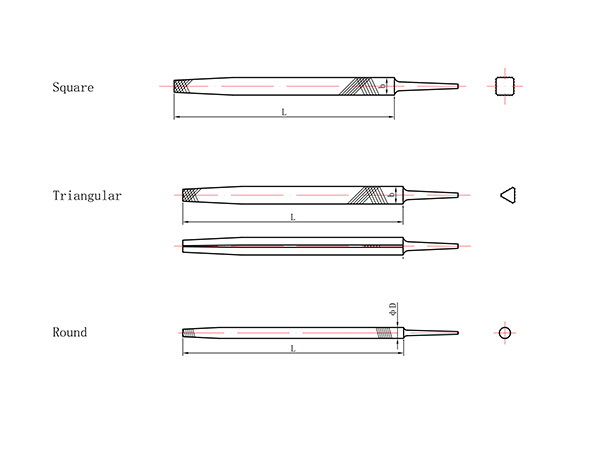
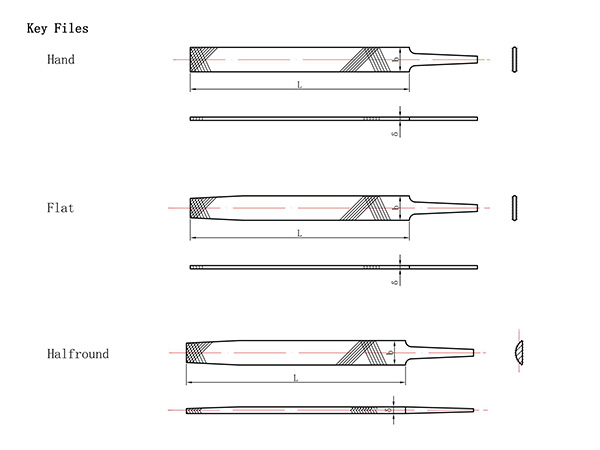
Match file shapes to specific tasks: triangular files for sharpening key tooth corners, round files for shaping curved grooves, and flat files for smoothing key sides.
Clean metal filings from the teeth after use to prevent rust and maintain performance.
Core Features
Compact Size: The blade length is typically around 100mm, shorter and thinner than standard bench files, making them ideal for working in the tight spaces of keys.
Multi-Shape Set: A set usually includes various cross-sectional shapes such as flat, triangular, round, half-round, and square files, allowing precise shaping of key teeth, grooves, and edges.
Fine Tooth Pattern: The teeth are fine and uniform, removing small amounts of material to ensure a smooth key surface and accurate tooth geometry, preventing over-filing that would prevent the key from inserting into the lock cylinder.
Durable Material: The blade is made of high-carbon tool steel for high hardness and wear resistance, with a wooden handle for a comfortable, stable grip.

80 Years of Manufacturing Excellence· Trusted by Global Clients· One-Stop File Solutions
Related Products